There’s a reason people don’t just search “hallaca” they search for the best hallaca near me. This isn’t a dish you settle for; it’s tied to memory, family, and holiday tradition, so not just any version will do. This guide walks through what actually makes a hallaca great, the smartest ways to track one down locally, and what to ask before you place an order.
What Exactly Is a Hallaca?
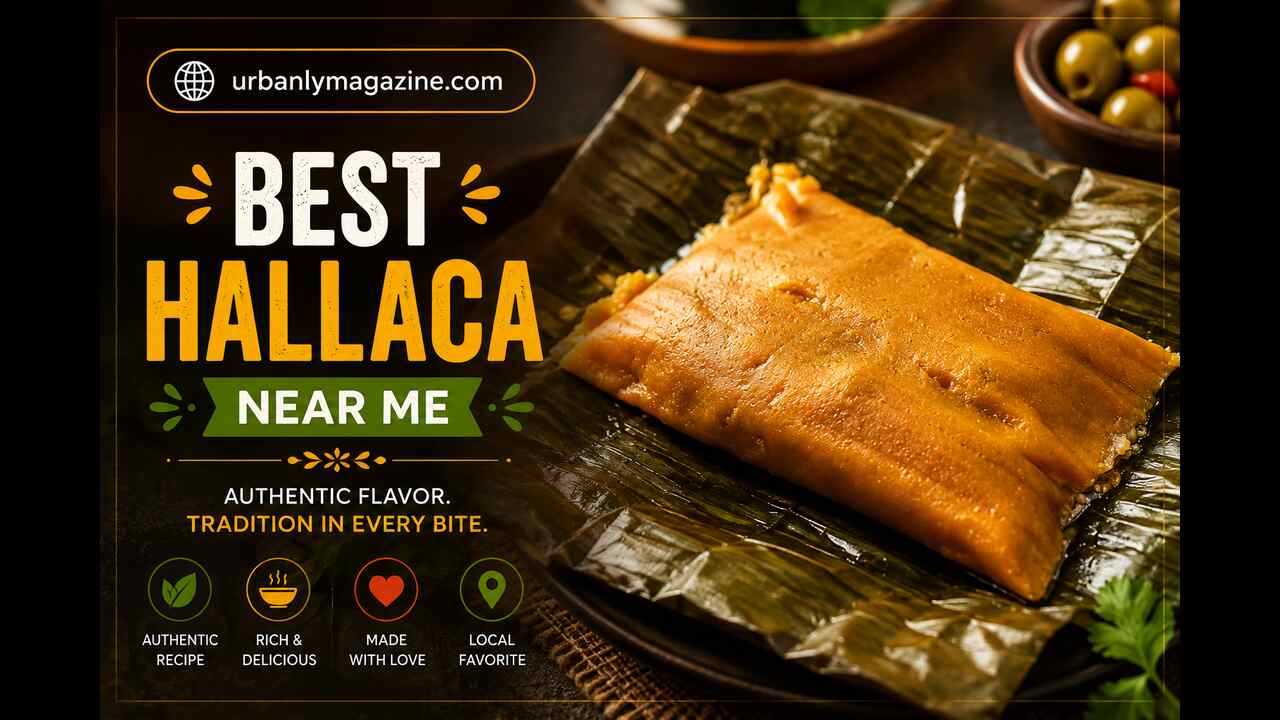
Before hunting for the best hallaca near me, it helps to know what you’re actually looking for. A hallaca is a traditional Venezuelan dish built around corn dough (masa) that gets its golden color and subtle flavor from onoto, or annatto oil. That dough is filled with a rich stew of beef, pork, and sometimes chicken, then layered with olives, raisins, capers, and strips of pepper and onion for pops of salty, sweet, and tangy flavor in every bite.
The whole parcel is wrapped in plantain leaves, folded into a neat rectangle, tied with string, and boiled until everything melds together. Hallacas are deeply tied to Venezuelan Christmas traditions, often made in huge batches during family gatherings that can stretch across an entire weekend. That history is part of why finding a genuinely good one matters you’re not just buying dinner, you’re buying a little piece of tradition.
How to Find the Best Hallaca Near Me
Once you know what a hallaca should taste and look like, the next step is knowing where to look. Here’s where the good ones tend to turn up.
Search for Venezuelan Restaurants and Bakeries First
Skip the generic search and go straight to “Venezuelan restaurant near me” or “panadería venezolana.” Venezuelan bakeries and casual eateries are usually your best bet, especially around the holidays when many add hallacas to a seasonal menu. Latin American grocery stores and delis are also worth a visit some stock frozen or fresh hallacas made by local cooks, even if the store itself isn’t Venezuelan-owned.
Read the Actual Reviews, Not Just the Star Rating
A 4.5-star average doesn’t tell you much on its own. Scroll through the reviews themselves and look for specific mentions of hallaca comments about the filling, the wrapping, or how close it tastes to homemade. Photos in reviews are especially useful here, since a well-made hallaca should look tightly wrapped and evenly filled, not lopsided or dry in the middle.
Tap Into Local Venezuelan Communities
Some of the best hallacas never show up in a general search at all, because they’re made and sold informally. Venezuelan community Facebook groups, WhatsApp chains, and neighborhood apps are gold mines for this kind of thing. Asking a Venezuelan coworker, neighbor, or friend where they order from will often lead you somewhere a search engine never could.
Watch for Seasonal Vendors and Home Cooks
Many of the most talented hallaca makers only sell seasonally, popping up from November through January and taking orders through Instagram or plain old word of mouth. If you’re searching outside the holidays and coming up empty, that’s usually why it’s worth bookmarking a few local cooks or pages so you’re ready the moment they open up for the year.
What Makes a Hallaca Truly Authentic
Not everything sold as a hallaca lives up to the name. Here’s what separates the real thing from a shortcut version.
The Dough Should Taste Seasoned, Not Just Look Yellow
Authentic hallaca dough gets its color and flavor from onoto-infused oil or lard, not food coloring. It should be soft, slightly rich to the touch, and seasoned in its own right not just a bland shell built to hold the filling.
It Needs to Be Wrapped in Real Plantain Leaves
Plantain leaves aren’t just packaging; they infuse the dough with a faint, earthy aroma as it boils. If a hallaca shows up wrapped in parchment paper, foil, or plastic, it’s skipping a step that affects both flavor and tradition.
The Filling Should Be Layered, Not One-Note
A great hallaca filling brings together savory stewed meat with bursts of briny olives, sweet raisins, and tangy capers. If a bite is just meat and dough with nothing else happening, it’s likely a simplified version rather than a traditional one.
When Is Hallaca Season?
Hallacas are most closely tied to the Venezuelan Christmas season, typically showing up from late November through early January. Many families and small vendors make them in large batches specifically for this window, which means availability can drop off fast once the season wraps up.
That said, a growing number of Venezuelan restaurants and diaspora-run kitchens now offer them year-round, usually frozen and ready to reheat. If you’re craving one outside the holidays, pair “hallaca near me” with terms like “frozen” or “year-round” to filter for vendors who keep them in stock beyond December.
Questions to Ask Before You Order
A little homework before you order can save you from a disappointing hallaca. Before you commit, ask:
- Are they made fresh or frozen and reheated? Both can be excellent, but it helps to know which you’re getting.
- What meats go into the filling? Some versions blend beef, pork, and chicken, while others stick to just one.
- Is there a vegetarian option? Not every vendor offers one, so it’s worth checking ahead if you need it.
- Is there a minimum order? Many home cooks sell by the dozen rather than individually, especially in peak season.
- How far ahead do you need to order? Popular vendors can sell out days or even weeks before Christmas.
Hallaca vs. Tamale: What’s the Difference?
It’s an easy mix-up both are corn-based, wrapped in leaves, and boiled or steamed. But they’re not the same dish. Tamales show up across Latin America, are typically wrapped in dried corn husks, and are often filled with just one ingredient, like shredded pork or cheese.
Hallacas are specifically Venezuelan, with close cousins in Colombia, Ecuador, and Trinidad. They’re wrapped in plantain leaves instead of corn husks and built around a more elaborate stewed filling layered with olives, raisins, and capers. The process is also more involved, often treated as a multi-day, multi-person event rather than a quick weekday meal. If you’ve only had tamales before, a good hallaca is worth trying with fresh eyes it’s a different experience, not just a regional twist.
Final Thoughts
Finding the best hallaca near me usually takes more than one search. The best ones tend to be made in small batches, sold seasonally, or passed along through word of mouth rather than listed on a big directory site. Start with local Venezuelan restaurants and bakeries, dig into reviews for specific mentions of hallaca, and don’t underestimate what a quick post in a community group can turn up.
Once you find a vendor or home cook whose hallacas actually hit the mark, hold onto that connection the good ones are worth ordering from year after year. And if you stumble onto a new favorite, pass it along. That’s usually exactly how the next person finds the best hallaca near them, too.
Read interesting Information About Blogs, Entertainment At: urbanlymagazine.com