
Introduction
If your morning coffee ritual involves a pod machine, you’ve probably wondered what happens to that little plastic capsule after you toss it. The good news is that compostable coffee pods now offer a way to enjoy your espresso or Americano without adding to landfill waste. In this guide, we’ll break down what makes these pods different, how to use them correctly, and how to spot genuine compostable options from greenwashed imposters.
What Are Compostable Coffee Pods?
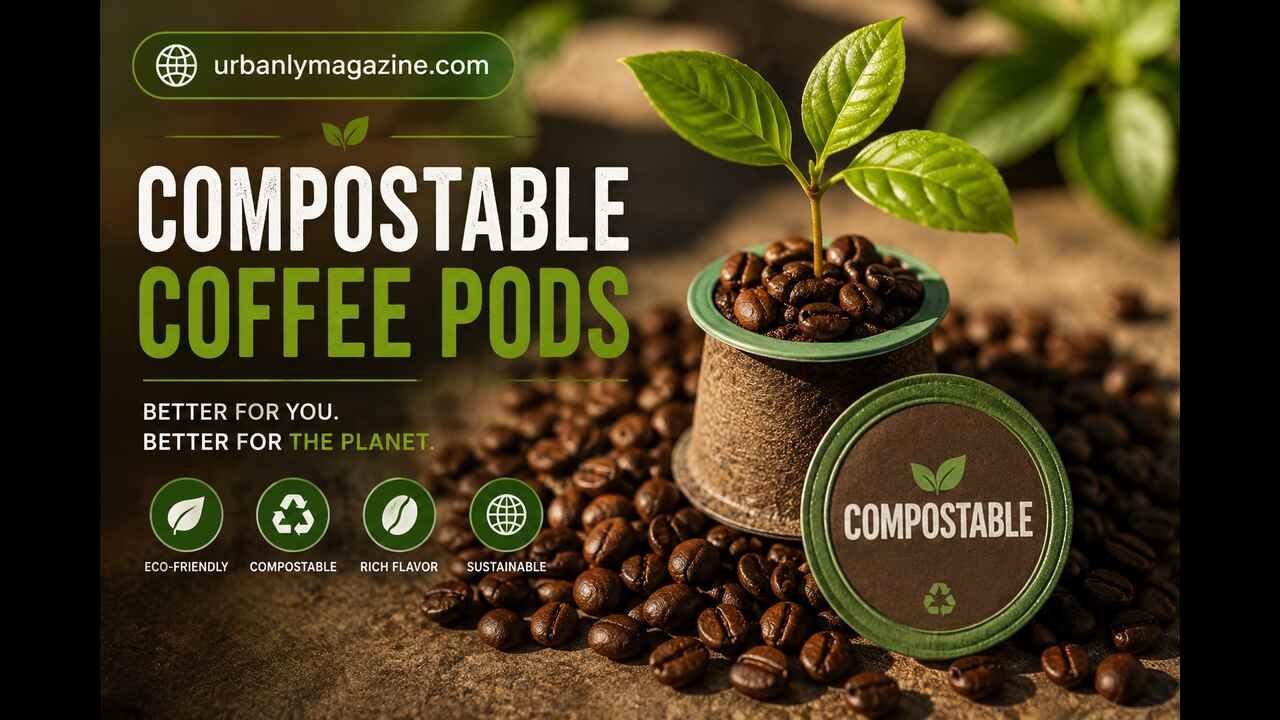
Compostable coffee pods are single-serve coffee capsules designed to break down into natural elements water, carbon dioxide, and biomass within a set period, usually under specific composting conditions. Unlike traditional plastic or aluminum pods, they’re typically made from:
- Plant-based bioplastics (like PLA, derived from corn starch)
- Paper or plant-fiber blends
- Biodegradable filter materials instead of synthetic mesh
Sounds simple, right? It gets a bit more nuanced once you understand the difference between “compostable,” “biodegradable,” and “recyclable” terms that often get tossed around interchangeably, even though they mean very different things.
Compostable vs. Biodegradable: What’s the Difference?
This is where a lot of confusion sets in.
- Biodegradable: Simply means a material will eventually break down, but there’s no set timeframe or guarantee it won’t leave microplastics behind.
- Compostable: Means the material breaks down into non-toxic components within a specific time frame, under specific conditions, without harming the soil.
In short: all compostable products are biodegradable, but not all biodegradable products are compostable.
Why Choose Compostable Coffee Pods?
If you’re on the fence about switching, here’s what makes the swap worthwhile.
1. Reduced Landfill Waste
Billions of traditional coffee pods end up in landfills every year, where they can take hundreds of years to break down. Compostable versions divert that waste into something productive nutrient-rich compost.
2. Lower Environmental Footprint
Many compostable pod brands also use sustainably sourced coffee and minimal packaging, meaning your entire cup has a smaller footprint from farm to compost bin.
3. Peace of Mind for Coffee Lovers
Let’s be honest guilt doesn’t pair well with your morning brew. Choosing compostable pods lets you enjoy convenience without the nagging thought of contributing to plastic pollution.
Home Compostable vs. Industrial Compostable Pods
Not all compostable pods are created equal, and this distinction matters more than most shoppers realize.
- Home compostable pods: Break down in a standard backyard compost bin within a few months.
- Industrial compostable pods: Require high-heat, controlled facilities to decompose properly something most households don’t have access to.
Before buying, check whether your local area has industrial composting facilities, or look specifically for pods labeled “home compostable” if you plan to compost them yourself.
How to Spot Genuine Compostable Coffee Pods
Greenwashing is a real problem in the coffee industry, so it pays to know what to look for.
Certifications to Trust
- BPI Certified: (Biodegradable Products Institute) – North American standard.
- TÜV Austria “OK Compost” recognized in Europe.
- EN 13432: European standard for compostable packaging.
- Compostable logo with a timeframe: legitimate brands specify how long decomposition takes (e.g., 90–180 days).
If a pod simply says “eco-friendly” or “green” without a certification logo, treat it with skepticism.
Best Practices for Composting Your Coffee Pods
To make sure your pods actually break down as intended:
- Empty the used coffee grounds first (grounds can go straight into compost too).
- Check whether the pod is home or industrial compostable.
- If home compostable, add it to your compost pile along with other organic waste.
- If industrial only, check with your municipality for commercial composting drop-off options.
- Avoid tossing them in regular recycling bin they can contaminate the recycling stream.
Are Compostable Coffee Pods Compatible With My Machine?
Most compostable pods are designed to fit standard machines like Keurig or Nespresso systems. However, always double-check pod compatibility before purchasing, since machine designs vary slightly across brands and models.
Conclusion
Switching to compostable coffee pods is a small change with a meaningful impact. By understanding the difference between compostable and biodegradable, checking for proper certifications, and composting correctly, you can enjoy your daily coffee ritual with a much lighter environmental footprint. Ready to make the switch? Look for certified compostable pods at your local grocery store or order a sample pack online to find your new favorite blend.
Read interesting Information About Blogs, Entertainment At: urbanlymagazine.com