You are standing on a street corner as the sun goes down. Smoke curls up from a small grill. Someone is fanning the coals with a piece of cardboard. And the smell hits you before you even see the skewers. If you have ever typed “best anticucho boliviano near me” into your phone at exactly this moment, you already know why this dish has such a hold on people.
Anticucho is not fancy food. It never tried to be. It is street food, plain and simple, and that is exactly what makes it so good. In this guide, we will walk through what anticucho boliviano actually is, where it came from, what to look for when you are hunting for the best anticucho boliviano near me, and how to tell a great plate from an average one.
What Is Anticucho Boliviano, Exactly?
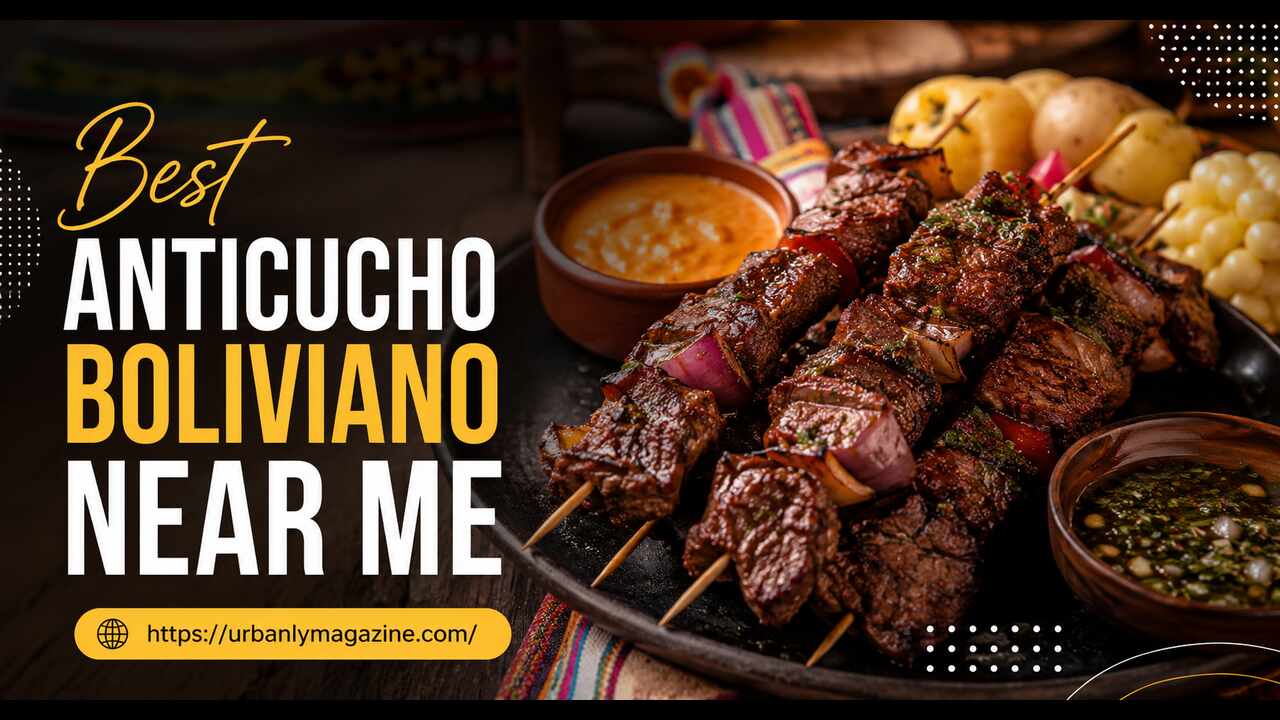
Anticucho boliviano is a skewer of marinated beef heart, grilled over open coals and usually served with boiled potatoes, a peanut based sauce, and a spicy salsa called llajwa. The heart is sliced thin, soaked for hours in a blend of garlic, cumin, vinegar, and ground chili, then threaded onto a stick and cooked fast over high heat.
That is the short answer. But if you have never tried it, the idea of beef heart might sound strange. Give it a chance. When it is prepared well, anticucho is tender, smoky, and rich in flavor, closer to a well marbled steak than anything you would expect from an organ meat.
Why Heart Meat Works So Well on the Grill
Heart is a muscle that works nonstop, so it is naturally lean and dense. That density is a good thing once you understand how to cook it. A short marinade and a hot, fast grill turn it tender instead of tough. Street vendors in Bolivia have been perfecting this timing for generations, and that is part of why the good ones are worth seeking out.
A Short History of Best Anticucho Boliviano Near Me
Anticucho did not start in a restaurant kitchen. It started on the street, out of necessity, and that history matters if you want to understand why the dish tastes the way it does today.
From the Andes to the Colonial Kitchen
The tradition of grilling skewered meat over fire in the Andes goes back to <cite index=”10-2″>the Incan empire</cite>, long before anyone called it anticucho. Back then, llama meat was the main protein, cooked simply over open flame.
Everything changed with colonization. <cite index=”4-1,4-2″>Anticuchos were originally made by enslaved Africans in colonial times, who used organ meats that Spanish colonizers had thrown away, and turned those scraps into something people actually wanted to eat.</cite> That story is not unique to Bolivia. A similar version of it played out across Peru too, where enslaved people <cite index=”10-3″>skewered marinated organ meat on sugar cane stalks and cooked it over open fire because they had no access to stoves</cite>.
A Dish for Everyone
Over time, anticucho stopped being a food only eaten by the poor. <cite index=”4-2″>Beef heart anticuchos turned into a street food staple across both Bolivia and Peru, and today people from every background eat them.</cite> That is part of the charm. A dish born from leftovers became something that unites a whole region.
The name itself has roots worth knowing too. <cite index=”5-1″>The word comes from the Quechua term “antikuchu,” which roughly translates to cut stew meat.</cite> Language, food, and history are tangled together here in a way that gives every bite a bit more meaning.
What Makes Anticucho Boliviano Different From Peruvian Anticucho
Peru and Bolivia both claim anticucho as part of their food identity, and honestly, both have earned the right to. But the two versions are not identical.
The Bolivian Twist
Bolivian anticucho tends to lean heavier on cumin and a thick, sometimes peanut based sauce served alongside the meat. Boiled potatoes are almost always part of the plate, giving the dish a heartier, more filling feel. Some vendors add a drizzle of spicy peanut sauce right over the skewer itself, which is a detail worth watching for when you are trying to spot the best anticucho boliviano near me.
The Peruvian Comparison
Peruvian anticucho, by comparison, often uses a more vinegar forward marinade with ají panca, a mild red chili paste, and is commonly grilled with a basting brush during cooking. Corn and potatoes usually round out the plate there too. Both styles share the same DNA, grilled marinated heart on a stick, but the seasoning and sides give each country its own signature.
How To Find the Best Anticucho Boliviano Near Me
Searching for the best anticucho boliviano near me is not just about opening a maps app and picking the first pin. A little bit of knowledge goes a long way in helping you separate a place that is doing it right from one that is just going through the motions.
1. Look for Evening Hours and Street Presence
Anticucho has always been an evening food. Vendors traditionally set up as the sun goes down, and the best spots often still follow that pattern, whether they are a cart, a small stand, or a sit down restaurant. If a place only serves it as a lunch special, that can be a small red flag.
2. Check for Visible Grilling Over Coals
The smoke and char from real coal grilling cannot be faked with a flat top or an oven. When you search for the best anticucho boliviano near me, look at photos and reviews that mention an open grill or visible smoke. That detail tells you a lot about how seriously a kitchen treats the dish.
3. Read Reviews for Mentions of Texture
Good anticucho should be tender, never rubbery or chewy. Reviews that specifically mention tenderness, smokiness, or a good char are a strong signal. If multiple reviews complain about toughness, that is usually not a one time mistake, it is a pattern.
4. Ask About the Sauce
The peanut sauce and llajwa that come with anticucho are not just garnish, they are half the experience. A restaurant that makes both from scratch, rather than buying a bottled substitute, is usually putting more care into the whole dish.
5. Look for Bolivian Owned or Bolivian Staffed Kitchens
This is not a hard rule, plenty of skilled cooks from other backgrounds make excellent anticucho. But restaurants run by Bolivian families, or ones connected to a Bolivian community, often carry recipes passed down through generations, and that shows up in the balance of the marinade.
What a Great Plate of Anticucho Boliviano Should Look Like
Before you commit to a spot, it helps to know what you are actually hoping to find on the plate.
The Meat
The heart should be sliced into even, bite sized pieces, threaded tightly on the skewer so nothing falls apart when you bite in. The outside should have a light char, and the inside should be juicy, not dry.
The Potatoes
Boiled potatoes served alongside anticucho are usually simple, sometimes with a bit of the marinade or sauce poured over them. They act as a mild counterpoint to the smoky, spiced meat.
The Sauces
A good plate comes with at least two condiments, a creamy peanut based sauce and a spicier salsa like llajwa, made from tomato, locoto pepper, and herbs. Together they balance richness with heat.
Tips for First Timers Trying Best Anticucho Boliviano Near Me
If this is your first time ordering anticucho, a few small pointers can make the experience much better.
Start With One Skewer
Order a single skewer before committing to a full plate. This lets you get a feel for the seasoning and texture at a specific spot without a big commitment.
Ask How Spicy the Llajwa Is
Llajwa can range from mild to genuinely fiery depending on the kitchen. If you are sensitive to heat, ask before you pour it generously over your meat.
Eat It Hot Off the Grill
Anticucho loses a lot of its charm once it cools down. Try to eat it fresh, right when it comes off the coals, for the best texture and flavor.
Why Anticucho Boliviano Deserves a Spot on Your Regular Rotation
There is something grounding about a dish that has survived centuries with its core identity intact. Anticucho boliviano has gone from a food born out of hardship to a dish that entire communities gather around. That history is baked into every skewer, whether the person selling it to you knows the full story or not.
When you search for the best anticucho boliviano near me, you are not just looking for dinner. You are looking for a small piece of Andean and colonial history, reworked by generations of cooks into something people genuinely crave. That is worth seeking out properly, rather than settling for the first result that pops up.
Where Anticucho Boliviano Shows Up Across Bolivia
Bolivia is a country of very different regions, from high altitude cities to warm lowland valleys, and anticucho shows up a little differently depending on where you are standing.
La Paz and El Alto
In La Paz, anticucho vendors often set up near markets and busy intersections once the evening crowds start moving. The altitude and cold nights make a hot skewer straight off the grill feel even better. Carts here tend to keep the marinade simple and let the smoke do most of the work.
Cochabamba
Cochabamba has a reputation as one of the food capitals of the country, and anticucho stands there often compete on the strength of their sauces. It is common to find vendors who take real pride in a peanut sauce recipe passed down from a parent or grandparent.
Santa Cruz
In the warmer lowlands of Santa Cruz, anticucho sometimes appears alongside other grilled meats at larger street food gatherings, giving it a slightly more festive, communal feel compared to the quieter evening carts of the highlands.
How Anticucho Boliviano Fits Into Bolivian Food Culture
Food in Bolivia is rarely just about the plate in front of you. Meals are social, often shared standing up on a busy sidewalk, and anticucho fits naturally into that rhythm.
A Nighttime Ritual
Because anticucho has always been sold in the evenings, ordering a skewer often marks the transition from the workday into the relaxed part of the night. People stop by on their way home, grab a stick or two, and keep walking, or they linger at a stand and talk with neighbors while the smoke drifts around them.
A Dish Tied to Community Markets
Many of the best anticucho vendors set up near or inside traditional markets, where the smell of the grill mixes with everything else being sold nearby. This connection to the market makes anticucho feel less like a restaurant dish and more like part of daily life.
Nutritional Notes on Beef Heart
If you are curious about what you are actually eating, beef heart is worth a closer look, since it is quite different from a typical cut of steak.
Lean but Nutrient Dense
Beef heart is a lean muscle that is naturally low in fat compared to many other cuts, while still being rich in protein, iron, and B vitamins. That combination is part of why it has stayed a popular choice for something that started out as an inexpensive ingredient.
A Smart Choice for Protein Lovers
Because it is dense in nutrients relative to its calorie count, beef heart has become popular again outside of its traditional roots, showing up in nose to tail cooking trends around the world. Anticucho boliviano was doing this long before it became a trend anywhere else.
Pairing Anticucho Boliviano With the Rest of Your Meal
A skewer of anticucho rarely shows up alone, and the sides you choose can shape the whole experience.
Classic Sides
Boiled potatoes are the most traditional pairing, soaking up the juices and sauce from the meat. Some stands also offer choclo, a large kernel Andean corn, as an extra side for a bit of sweetness against the smoky, spiced heart.
Drinks That Work Well
A cold beer is the most common pairing at street stands, cutting through the richness of the meat. For something non alcoholic, chicha morada or even a simple soda works well alongside the char and spice of a good skewer.
Sauces Worth Trying on Everything
Once you taste a well made llajwa, you may find yourself wanting to put it on more than just anticucho. Many people end up spooning it over potatoes, rice, or even eggs the next morning, which says a lot about how good a well balanced version can be.
Red Flags to Avoid When Searching for the Best Anticucho Boliviano Near Me
Not every place claiming to serve anticucho boliviano is doing it justice. A few warning signs can save you from a disappointing meal.
Pre Cooked, Reheated Skewers
If a place keeps skewers sitting under a heat lamp instead of grilling to order, the texture usually suffers. Fresh off the grill is always the goal.
Bottled, Generic Hot Sauce Instead of Llajwa
A restaurant that swaps out real llajwa for a generic hot sauce is cutting a corner that changes the whole character of the dish. It is a small thing, but it tells you something about the kitchen’s priorities.
No Mention of Heart on the Menu
Some places quietly substitute a different cut of beef without saying so, which misses the point of the dish entirely. If the menu is vague about what meat is actually used, it is worth asking directly before you order.
Common Questions About Best Anticucho Boliviano Near Me
Is Anticucho Always Made From Beef Heart?
Traditionally, yes. Beef heart is the classic choice, prized for its texture once marinated and grilled properly. Some modern menus offer chicken or other cuts as an alternative, but purists will tell you that beef heart is the real version of the dish.
Is Anticucho Spicy?
The meat itself is usually mild to moderately seasoned. The heat comes mostly from the llajwa sauce served on the side, which means you can control how spicy your meal gets by how much you add.
What Should I Drink With Anticucho Boliviano?
A cold beer or a chicha morada, a purple corn based drink, both pair well with the smoky richness of the meat. Either one helps cut through the char and spice.
Can I Make Anticucho Boliviano at Home?
Yes, with beef heart, garlic, cumin, vinegar, and ground chili for the marinade, along with wooden skewers and a hot grill. It takes some patience with the marinating time, but it is a manageable dish for a home cook willing to try something new.
Final Thoughts on Finding the Best Anticucho Boliviano Near Me
Great anticucho is not hard to recognize once you know what to look for. It is smoky, tender, well seasoned, and served with sauces that were clearly made with care. The next time you search for the best anticucho boliviano near me, use these small details as your checklist, evening hours, visible coal grilling, honest reviews about texture, and homemade sauces.
Food like this survives because people keep showing up for it, generation after generation. Go find your spot, order a skewer, and taste a little bit of that history for yourself.
Read interesting Information About Blogs, Entertainment At: urbanlymagazine.com